
Career and leadership · Chapter 4
Personal Branding
Why a personal brand matters for presales professionals and how to build one, online and offline, through content and networking.
Personal branding at a glance
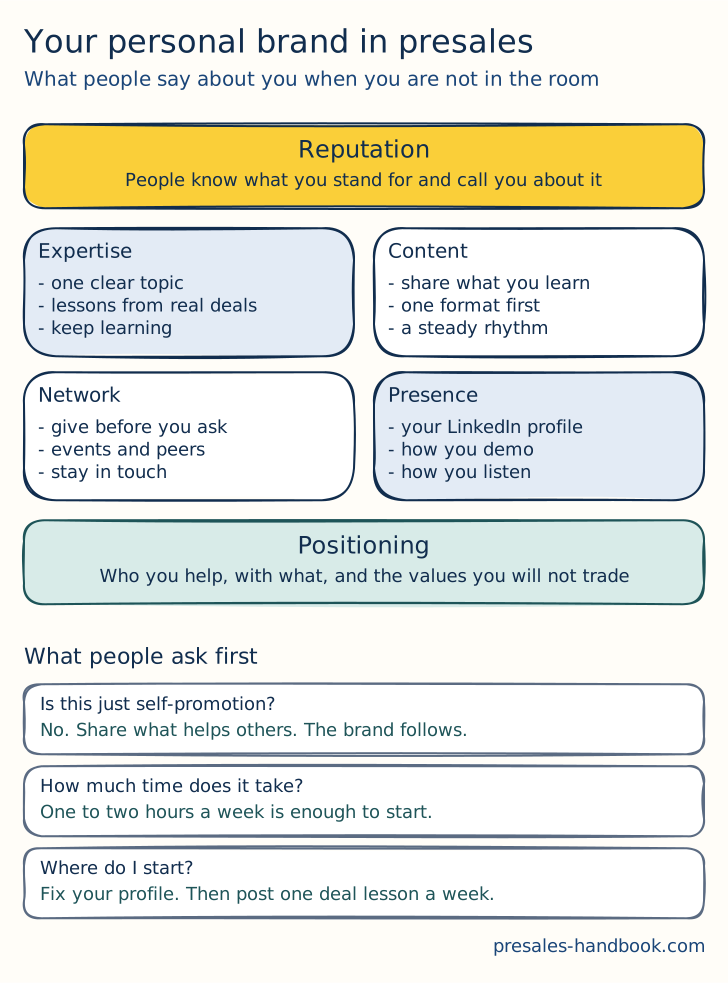
Your personal brand is what people say about you when you are not in the room. In presales, that is usually one sentence. "Ask her, she knows integration." Or: "He runs the best demos in the region." You cannot fake that sentence, but you can shape it.
Positioning is the foundation. Decide who you help, with what and which values you will not trade. Without it, everything else is noise.
Four blocks carry the brand. Expertise is what you know. Content is how you share it. Network is who you share it with. Presence is how you show up, online and in every customer call.
Reputation is the roof. It comes last. It grows when the four blocks stay consistent for a long time.
Three questions come up almost every time:
- Is this just self-promotion? No. Share what helps others, such as a lesson from a deal or a demo trick. The brand follows the value.
- How much time does it take? One to two hours a week is enough to start. A steady rhythm beats a big launch.
- Where do I start? Fix your LinkedIn profile, so it says what you help with. Then post one lesson from your work every week.
The rest of this chapter goes into each block.
Why is it important?
Personal branding matters for presales professionals. You market yourself and your career like a brand. You build a reputation and keep it up, so you stand out in a competitive market. Your brand lives both online and offline:
Online Presence: On LinkedIn, a personal blog or social media you show your expertise and share industry insights. You also talk with peers there. Regular posts about trends, seminar takeaways or success stories show your passion and commitment. Over time, people start to see you as a voice in presales.
Offline Interactions: How you show up in person counts just as much, in meetings, at seminars and at industry events. The way you talk, share ideas, listen and work with others shapes your brand. It leaves a lasting impression on the people you meet.
A personal brand helps you stand out in a crowded industry. It also supports your career, your professional credibility and the trust of prospects and clients. A strong personal brand does four things:
Establish Credibility: People see you as an expert in your field.
Build Trust: People buy from people they trust. A brand that shows reliability counts for a lot.
Career Opportunities: It opens doors to networking, speaking slots and the next career step.
Influence and Reach: An established brand extends your influence, so you reach a larger audience.
How to Develop a Personal Brand
Define Your Brand
Identify Your Unique Value Propositions (opens in a new tab) (UVPs): Work out what sets you apart from others in your field. It could be a rare mix of skills and experience, or the way you solve problems. If you bring modern SaaS solutions into traditional industries, for example, that is part of your UVP.
Stand for Something: Decide which principles or values you want to be known for. Innovation, outstanding customer service, or transparency with clients? Let these values guide how you work and how you talk with people.
Craft Your Professional Identity: How do you want others to see you? As a reliable expert, a creative problem-solver or a tech-savvy innovator? Your public profile should show the identity you choose.
Consistent Messaging
Uniform Communication: You might post on LinkedIn, write on X or speak at a conference. Keep your language, tone and style the same across all of them. That strengthens your brand across every channel and meeting.
Tailor Your Message: Adapt your message to each platform but keep the common thread. LinkedIn posts can be longer and more formal. Short posts are shorter and more direct. Either way, people should recognise your professional values.
Professional Online Presence
Regular Updates: Keep your profiles current with your latest achievements, projects and roles. That shows you are active in your field.
Valuable Content Sharing: Share articles, write posts or make videos that help your audience. That could be insights on industry trends, lessons from recent projects or tips on new SaaS tools.
Networking
Active Engagement: Attend industry conferences, seminars and workshops. Take chances to speak or sit on a panel, which builds your standing as an expert. Online, join forums and discussion groups in your field.
Value Exchange: Networking should help both sides. Try to give something in every contact, such as knowledge, resources or support. That is how lasting professional relationships form.
Continuous Learning
Stay Informed: Follow the latest trends, technologies and best practices in your industry. Subscribe to relevant journals, follow thought leaders on social media and take relevant courses and workshops.
Apply and Share Knowledge: Use what you learn in your own work, and share it with your network. You can do that through articles, webinars or training sessions. Sharing your knowledge makes you the go-to expert in your field.
The Value of Networking
Networking turns loose contacts into real relationships, and that pays off in presales. You get insight into the industry, client needs and new opportunities. It comes from the different views of peers, leaders and people in related fields. Networking also helps with problems, because you share tools, methods and experience. And you give and receive advice while you build your name as an expert. Networking is about growing together, supporting each other and sharing knowledge. That makes it an important part of professional development in presales.
From the blog
- 2 min read
When a House of Cards Collapses: Why Radical Honesty Is a PreSales Superpower
A project I worked on failed badly. What it taught me about radical honesty, and why it is one of the strongest skills in presales.
Read more - 4 min read
The Rare Art of Caring: Why PreSales Must Lead with Craftsmanship and Conviction
In a world of shortcuts, caring about the work is rare. Why presales should lead with craftsmanship and conviction.
Read more - 5 min read
The Power of Curiosity in PreSales: Why It’s Your Greatest Asset
Curiosity drives better discovery, stronger relationships, sharper demos and calmer objection handling. Why it is a core presales skill.
Read more
In the course
- The PreSales MindsetMembers only
- Core Metrics for PreSalesMembers only
- Documentation & Knowledge SharingMembers only