
Career and leadership · Chapter 5
Competition
The biggest competitor is often doing nothing. How to position against inertia and against rival vendors without trashing anyone.
Competition
In the Software as a Service (SaaS) market, competition is a given. New startups appear every day. Established giants pivot into new markets, and every player wants a larger slice of the pie. So it is natural to focus on named competitors. Yet SaaS companies often overlook their toughest opponent: the decision to do nothing.
The Silent Competitor: Doing Nothing
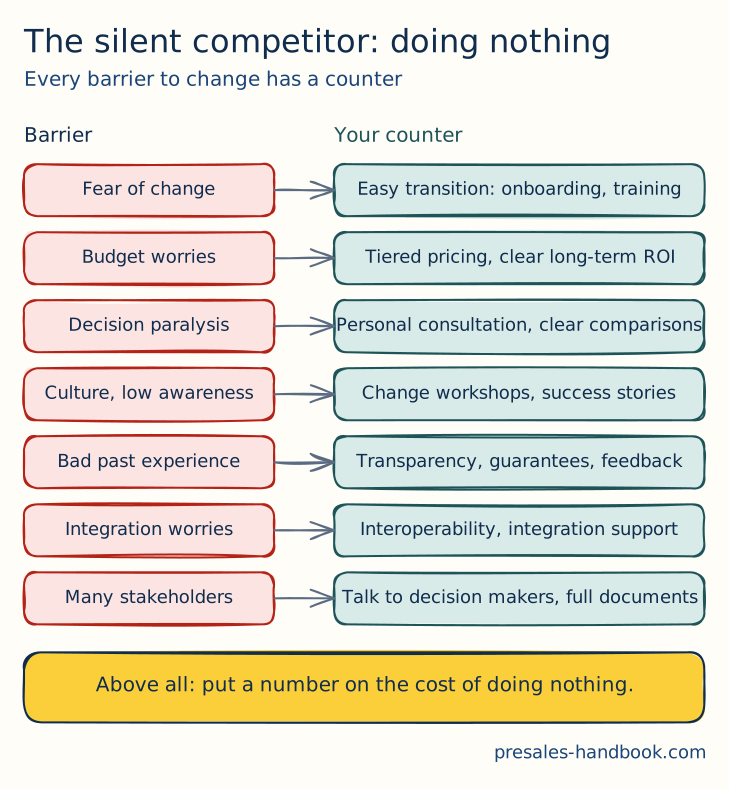
Inertia is a hidden hurdle, and it can be as strong as any direct competitor. Inertia here means a company chooses to wait instead of adopting a new solution. The reasons are often psychological, financial or organisational. People fear change, the budget is tight, or nobody dares to decide. Often a culture that resists new methods adds to it. Sometimes the problem is not seen at all, or there were bad experiences before. To beat this silent competitor, you need a clear plan:
Make the transition easy: Show a simple, user-friendly design. Offer good onboarding and training. That takes away the fear of change.
Be flexible on finances: Offer tiered pricing. Show a clear ROI (opens in a new tab) over the long term. That answers the budget worries.
Simplify the decision: Advise in person and put the options side by side. That helps against the overwhelming choice of SaaS solutions.
Shift culture and awareness: Use change management workshops and success stories to influence the company culture. Raise awareness with educational marketing and at industry events.
Build trust: Be open about earlier bad experiences. Offer transparency, guarantees and open feedback channels.
Ease integration concerns: Make sure your software works with the systems they have. Support the integration, so daily operations are disrupted as little as possible.
Win the stakeholders: Talk directly with the decision-makers. Provide thorough documentation that answers their different concerns.
Show the cost of inaction: Calculate what potential clients lose if they stay with inefficient processes or outdated systems.
Positive Positioning
Positive positioning sets you apart in the SaaS market and supports long-term success. Do not point at competitors' flaws. It looks unprofessional and hurts your reputation in the market. Focus on your own unique selling propositions (USPs) instead. Find the tangible benefits of your solution and name them clearly. Reach potential clients with real success stories, educational content and thought leadership. Take part in industry communities. Be open about what your product can and cannot do. Show what your company stands for in culture, ethics and sustainability. That builds trust and a loyal client base, and you win on credibility.
Analyzing the Competitive Market
You need to know your market well to stand out and to last. A short approach:
Define Your Market: Name your target audience, your geographical reach and the specific problem your SaaS solution solves. Separate direct competitors (similar offers) from indirect competitors (alternative solutions).
Gather Information: Use competitor websites, industry analysts such as Gartner and IDC, and client reviews on platforms like G2 Crowd or Capterra. Check social media channels to see how much engagement they get. SEO tools show you their online strategy. Try their trials and demos yourself where you can.
Evaluate Competitive Strengths and Weaknesses: Compare product features, pricing strategies and market position. Also look at brand recognition, client support and financial health. Then you know where each competitor stands.
Identify Market Gaps: Look for needs nobody serves, overlooked market segments, or weak service and support that you can use.
SWOT Analysis: Sum up your findings as strengths, weaknesses, opportunities and threats. That helps you find your niche and prepare for outside challenges.
Continuous Monitoring: The SaaS industry changes all the time. Update your competitive analysis regularly. Follow industry news, forums and user feedback to stay ahead.
From the blog
- 5 min read
What PreSales Can Learn from The Wolf of Wall Street
The Wolf of Wall Street is about bad ethics, but also about storytelling and conviction. What presales can take from it and what to leave.
Read more - 2 min read
Buyers Don’t Hate Salespeople! They Hate Being Sold To
Buyers want guidance, not pressure. How sales and presales can help buyers decide instead of pushing them toward a signature.
Read more - 4 min read
Navigating Competition in the SaaS Landscape: The Battle Beyond Rivals
Your toughest competitor is often doing nothing. How to position against inertia and rivals, and how to read a competitive market.
Read more